
We deliver the perfect solutions to digitally transform the furniture industry’s supply chain — and we have the proof to back it up.


Focus on efficiency in a dynamic environment where synchronization is critical.
Company in the segment served:


Neo supports the entire planning process of your supply chain — from long- to short-term — addressing key industry characteristics such as inventory balancing by product type, gradient-based color sequencing in painting, minimization of drilling operations, and integration of sequencing with cutting plans.
Our solutions for planning, scheduling, and logistics for your supply chain
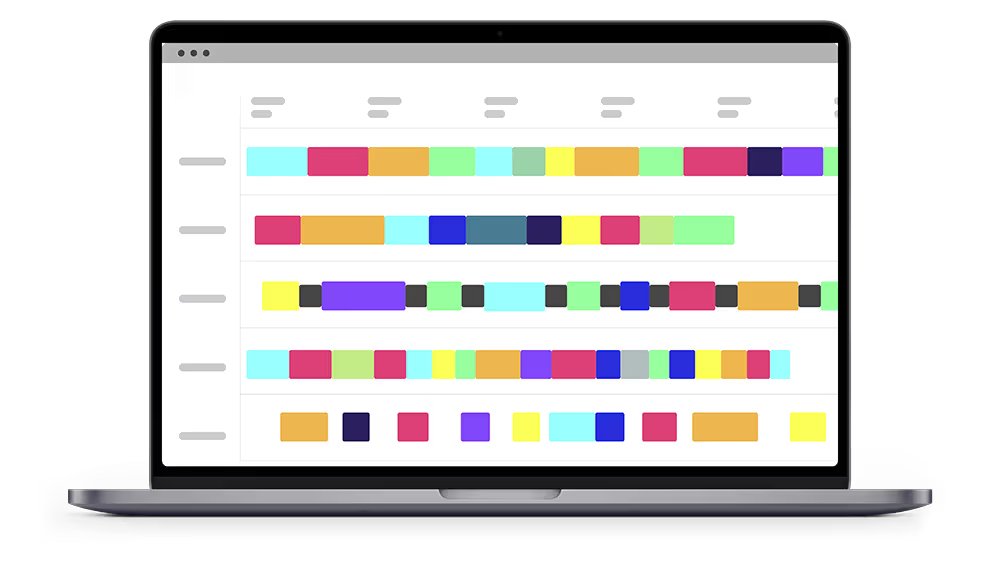
Meet Opcenter APS
World-leading APS software, developed to use advanced heuristics to balance demand and capacity and achieve optimized Production Planning and Sequencing. It's with this software that we decide the best order to produce most efficiently.
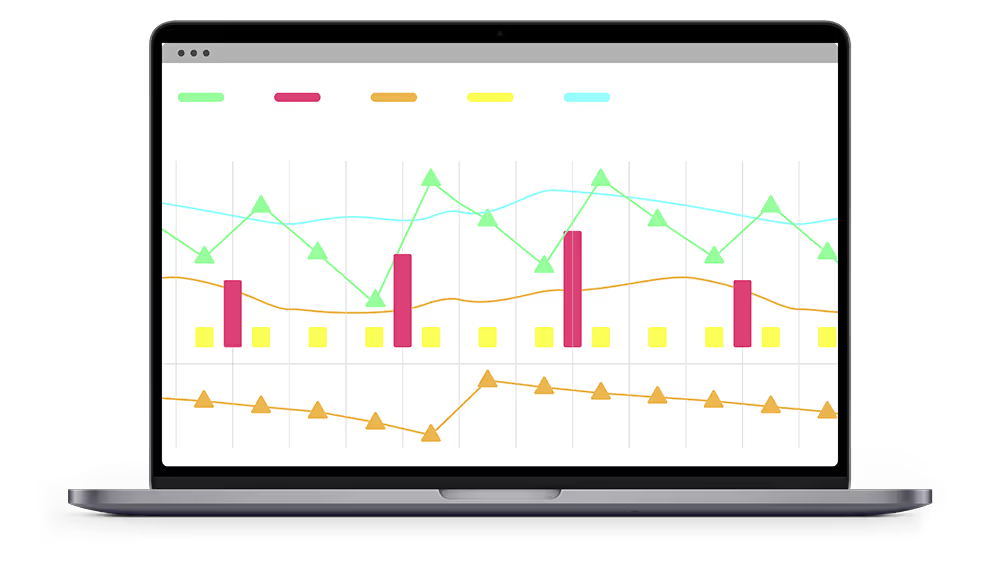
Meet nPlan
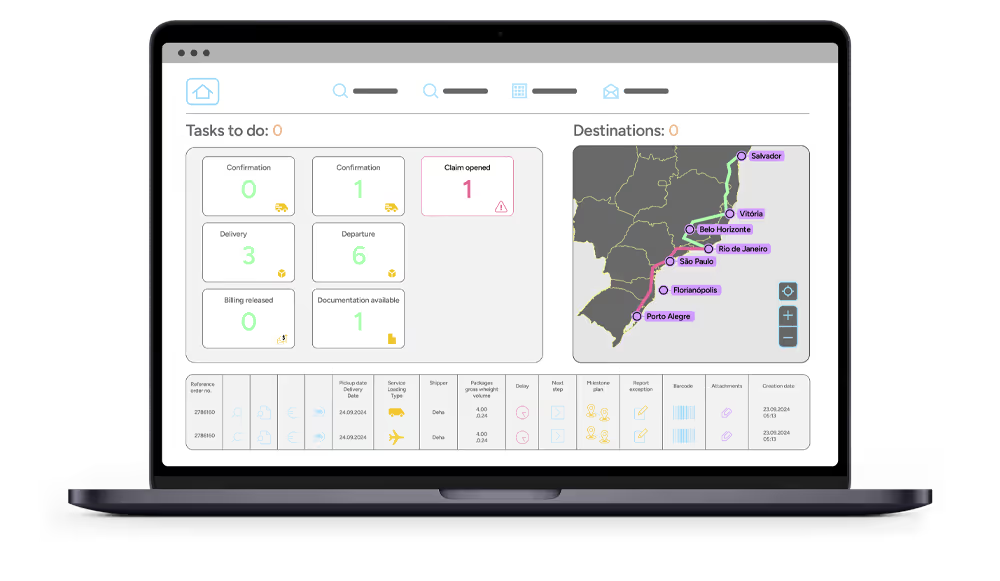
Meet the SDL AX4
The key challenges for the textile industry:
What to expect:

Inventory reduction
Better synchronization between operations shortens lead times, reducing WIP and allowing you to lower finished goods inventory through faster replenishment. The solution’s agility also enables rapid responses to demand changes, helping you avoid unnecessary inventory.

Increased productivity
The scheduling rules will group items of the same color for painting and automatically create a color gradient to reduce setups. Reductions in this and other areas, combined with decreased waiting times throughout production, can deliver efficiency gains of over 10%.

Reduce delays
Demand in the furniture market is highly variable, and the number of SKUs is very large. Improved visibility, faster scheduling, and greater accuracy in planning help reduce delays and stockouts, as issues are identified in advance, allowing simulations to take preventive actions and eliminate them.

Greater agility
Replanning is even more challenging than planning. A machine breakdown, rework on a component, or a change in demand for an item can create a cascading effect that requires rescheduling the entire plant. Responding quickly with a solid plan allows your team to focus on analysis and decision-making rather than just operational firefighting.
.png)
.png)