
We offer the ideal solutions for digitizing the supply chain of the pharmaceutical and cosmetics industry. And we can prove it.


Expensive stocks, restrictions and endless cleaning.
Company in the segment served:


Neo supports all the planning of its supply chain, from the long to the short term, treating industry characteristics, such as resource restrictions and labor by product type, filling synchronization with filling, perishable, production campaigns and inventory segmentation.
Our solutions for planning, scheduling, and logistics for your supply chain
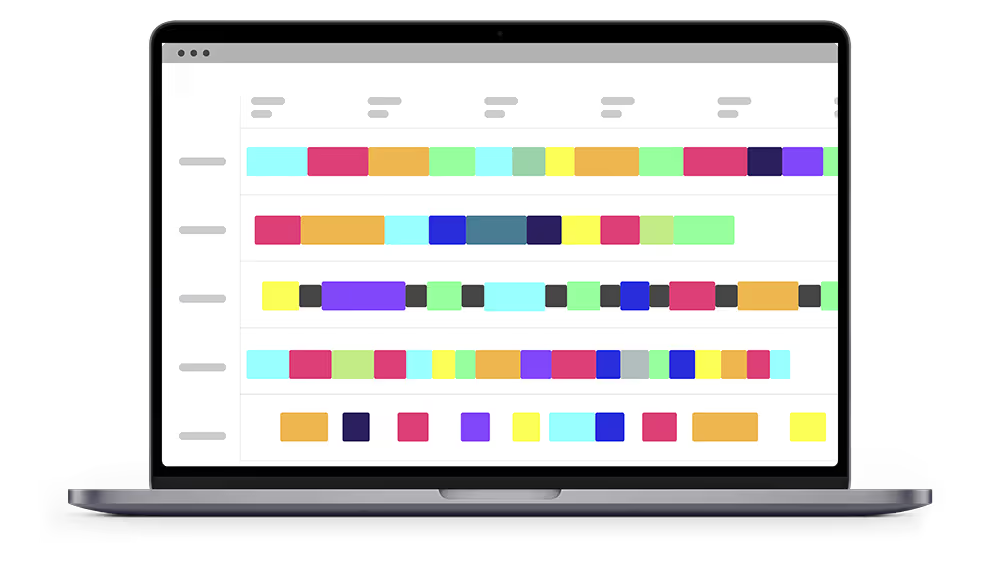
Meet Opcenter APS
World-leading APS software, developed to use advanced heuristics to balance demand and capacity and achieve optimized Production Planning and Sequencing. It's with this software that we decide the best order to produce most efficiently.
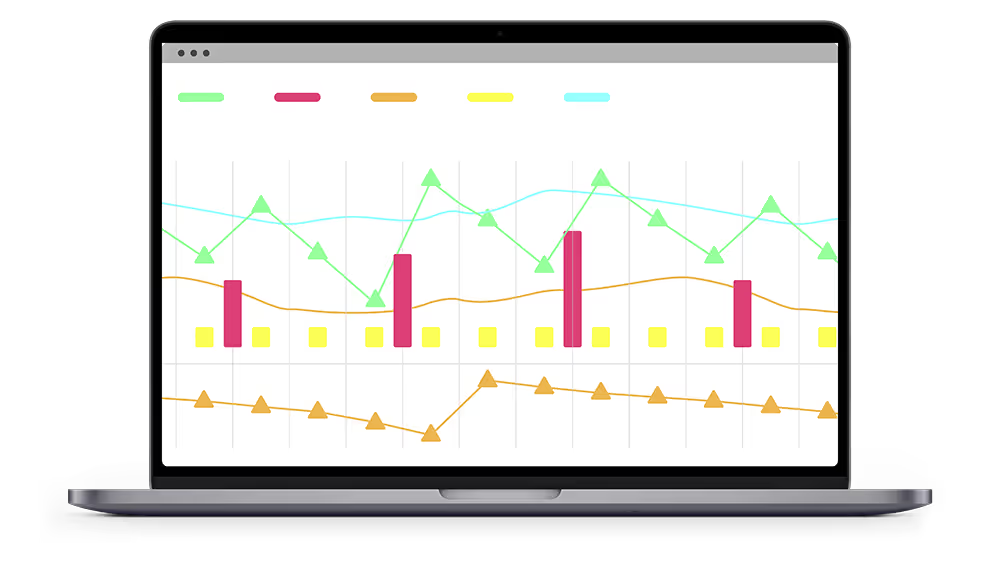
Meet nPlan
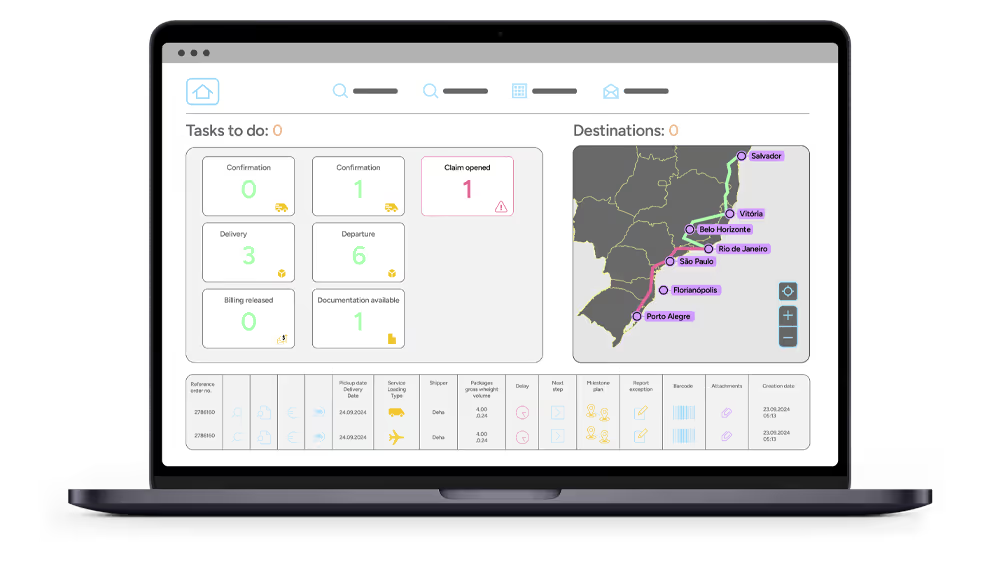
Meet the SDL AX4
The key challenges for the textile industry:
What to expect:

Inventory reduction
With more balanced planning and scheduling, inventory health improves, lowering finished goods inventory and better synchronizing raw material purchases. The solution’s agility also enables rapid responses to demand changes, helping to avoid unnecessary inventory and losses due to perishability.

Increased productivity
Scheduling rules will group similar items, with mesformulation or packaging type, reducing setup times that do not add value. Better synchronization allows for reduced waiting times, generating more value directly for the product and making better use of company assets.

Reduced disruptions
Enhanced visibility, faster scheduling, and more accurate planning help reduce delays and stockouts by identifying issues in advance. This allows for simulations to take preventive actions and eliminate problems— all within scenarios that ensure product availability without compromising service levels.

More agility
Replanning is even more challenging than planning. A machine breakdown, rework on a component, or a change in demand for an item can create a cascading effect that requires rescheduling the entire plant. Responding quickly with a solid plan allows your team to focus on analysis and decision-making rather than just operational firefighting.
.png)
